
Buy anything from 5,000+ international stores. One checkout price. No surprise fees. Join 2M+ shoppers on Desertcart.
Desertcart purchases this item on your behalf and handles shipping, customs, and support to Japan.
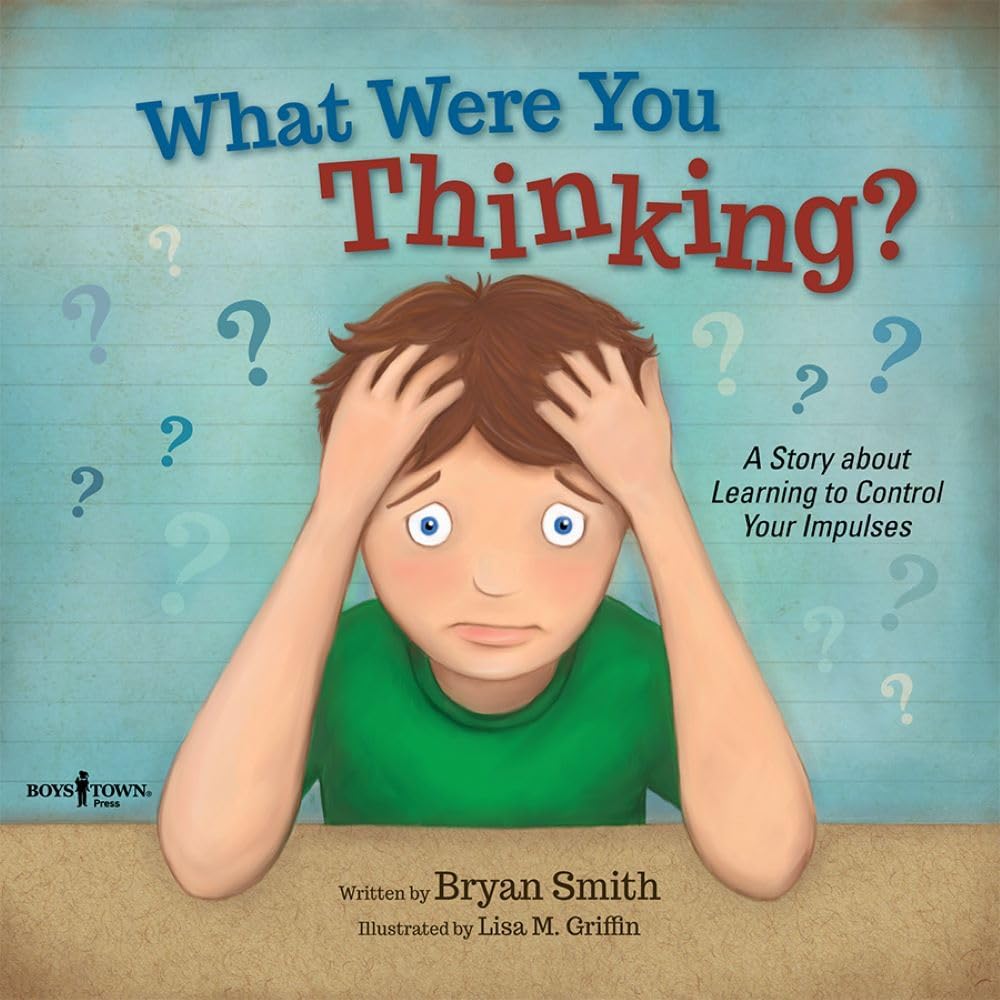
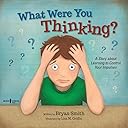
When you're a child, it's not easy controlling your impulse reactions - kids do things before they think all the time. Strengthen executive function skills and empower impetuous young people with a humorous story about an impulsive third-grader. Teach students a strategy of four simple steps for stopping, thinking, decision-making, and choosing the right behavior. Third-grader Braden is a real character. He loves to be the center of attention. Everyone just LOVES his jokes, witty comments, and immediate reactions. Or at least that's what he thinks. He comic genius, as he sees it, causes his friends to look at him in awe. But when he is corrected in class for ill-timed jokes and an impulsive reaction during a game of dodge ball ends up with a classmate in tears, Braden's teachers and parents start working with him on how to control his impulses, teaching him four steps to follow before saying or acting on an urge, intrusive thought, or any idea that may land him in hot water . Impulse control is an executive functioning skill that allows you think before you act and to prioritize long-term success over short-term gains. When you have good self-control, you are able to resist doing things that may be harmful to yourself or to others. Will the lessons provided by the adults in Braden's life help him see a better way to manage his impulses? Find out in this hilarious story, the first book in the Executive FUNction series by author and school counselor Bryan Smith. Tips for parents and educators are included at the end of the storybook to help children learn to control their impulses. The Executive FUNction series also includes: My Day is Ruined! It Was Just Right Here! Of Course It's a Big Deal! Time to Get Started What's the Problem? How Did You Miss That? I'll Never Get All of That Done! Fix It with Focus How Do I Remember All That? Review: ADHD symptoms explain our behavior, BUT they do not EXCUSE it! - I read this to my 6 year old to help reinforce his own personal awareness with topics that he struggles with or to help prevent a struggle due to his ADHD. Being aware of what we need to work on is the first step to making changes and hopefully by doing this we can prevent our children from future frustrations and disappointments within themselves. It is easier to mold them into respectful, responsible children at a younger age than it will be to break bad habits later on in life. With that said this book is one of many that we read as our "self help" kinda books. Every night I choose 1 book to add to the mix of his own book choices, depending on what I am trying to make him aware of and teach him coping skills in regards to things he struggled with that day or week. I hope this list is helpful. I know I always LOVE finding someone’s review that lists more great books on these kind of topics as I am always looking for more resources! This is a list of a few of my personal favorites age range about 4-8 Helping kids about making good choices: • That Rule Doesn't Apply to Me! (Responsible Me!) • But It's Not My Fault! (Responsible Me!) • What Were You Thinking? Learning to Control Your Impulses (Executive Function) • My Mouth Is a Volcano! (talking over/interrupting people) • What If Everybody Did That? (environmental awareness) • LarryBoy and the Foolish Fig from Faraway (making good choices when friends aren’t) • The Berenstain Bears Show Some Respect (talking nice to others) • The Berenstain Bears and the Trouble with Chores • Squirmy Wormy: How I Learned to Help Myself (more autism focused) • God, I Need to Talk to You about…. Series (very short and to the point! from child’s point of view) Lying, Bad Manners, Whining, Laziness, Sharing, Stealing, My Bad Temper, Paying Attention, Hurting Others, Disrespect, Greed, vandalism, bad words, being a bad sport, video games, bullying, cheating, homework, healthy eating. Helping kids handle their anger: • Mad Isn't Bad: A Child's Book about Anger (Elf-Help Books for Kids) • I Just Don't Like the Sound of No! My Story About Accepting No for an Answer and Disagreeing the Right Way! (Best Me I Can Be) (WE LOVE THIS BOOK!!!!) • Angry Octopus: An Anger Management Story Helping Kids keep themselves safe: In all reality we aren’t always around to keep our kids safe, but we can give them the tools they need to handle themselves if a situation arises. • A Little Book About Safety (teaches kids exactly what to do in case they get lost) (WE LOVE THIS BOOK!! Perfect for 3-5yr olds, special needs children, ALL CHILDREN) Please read these books before reading them to your child ensure they are age/maturity level appropriate. I chose just a few pages here or there when my son was 4 as a preventative measure. • An Exceptional Children's Guide to Touch: Teaching Social and Physical Boundaries to Kids (Good book to help discuss a difficult topic! I have passed this book around to many friends! Awareness is key to Prevention) • I Said No! A kid-to-kid guide to keeping your private parts private • My Body Belongs to Me Helping kids Learn about God and teaching good Morals to live by (VeggieTales) • Every Day with God: 365 Daily Devos for Boys • Growing Day by Day: 365 Daily Devos for Boys Helping Kids learn responsibility with money: • Junior's Adventures: the Boxed Set • The Berenstain Bears' Dollars and Sense • Financial Peace Junior Parent books: I have read over 30 books and these are the ones I liked • Raising Boys With ADHD: Secrets for Parenting Healthy, Happy Sons (LOVE this book, great resources. I have been using it for 3 years now. It is categorized by age and the challenges that come with that age) • Parenting Children with ADHD: 10 Lessons That Medicine Cannot Teach (APA Lifetools) • Smart Money Smart Kids: Raising the Next Generation to Win with Money • Driven to distraction • The strong willed child • Parenting isn’t for cowards (I just started reading but seem good so far) Review: Good Reminders to Parents & Kids, e.g., Identifying Something as "Funny" Does Not Make It Less Hurtful - What Were You Thinking? by Bryan Smith and illustrated by Lisa M. Griffin addresses common moments from a child’s life. As many parents and teachers can vouch, the answer to the title question is frequently that the child wasn’t thinking at all; they operated on impulse. Or, they were thinking but their behavior was highly unlikely to produce their expected result. This book helps kids see that doing the first thing that comes to mind may not be their best choice. It might even accomplish the opposite of their intended goal. It also shows how kids sometimes expect something to be funny when it can actually cause others–classmates, teachers, coaches and parents– to be annoyed instead of entertained. Sometimes the “cost” of the laughter they seek, far exceeds the momentary rush of any attention. The illustrations invite exploration of the book’s theme and make obvious that Braden’s idea of funny does not necessarily match his classmates” feelings. This can lead to conversations about the range of responses one can see within an entire classroom of kids. What Were You Thinking? outlines a simple four step strategy which kids can practice to help them smooth out their responses and ensure that the result they get is the one which they want. A brief Tips for Parents and Educators is included which offers further information on how to guide children to develop better impulse control. Can also open conversation about intentions & how humor doesn’t lessen the pain of hurtful remarks/behavior. AQ Lens: Kids who have experienced trauma, grief and or loss may have weak impulse control, high distractibility. Or they may have been taught negative and/or inadequate behavior strategies. In addition to learning better strategies, these kids may also have to unlearn negative strategies. This book offers another tool for helping kids fine-tune their emotional literacy and expand their menu of choices. By exploring the gap between intended goal and actual results, families can teach kids to recognize and choose strategies that serves them better. --Gayle H. Swift, ABC, Adoption & Me: A Multicultural Picture Book"


| Best Sellers Rank | #7,153 in Books ( See Top 100 in Books ) #3 in Behavioral Disorders in Special Ed. #4 in Academic Development Counseling #360 in Children's Friendship Books |
| Customer Reviews | 4.7 out of 5 stars 2,146 Reviews |
J**R
ADHD symptoms explain our behavior, BUT they do not EXCUSE it!
I read this to my 6 year old to help reinforce his own personal awareness with topics that he struggles with or to help prevent a struggle due to his ADHD. Being aware of what we need to work on is the first step to making changes and hopefully by doing this we can prevent our children from future frustrations and disappointments within themselves. It is easier to mold them into respectful, responsible children at a younger age than it will be to break bad habits later on in life. With that said this book is one of many that we read as our "self help" kinda books. Every night I choose 1 book to add to the mix of his own book choices, depending on what I am trying to make him aware of and teach him coping skills in regards to things he struggled with that day or week. I hope this list is helpful. I know I always LOVE finding someone’s review that lists more great books on these kind of topics as I am always looking for more resources! This is a list of a few of my personal favorites age range about 4-8 Helping kids about making good choices: • That Rule Doesn't Apply to Me! (Responsible Me!) • But It's Not My Fault! (Responsible Me!) • What Were You Thinking? Learning to Control Your Impulses (Executive Function) • My Mouth Is a Volcano! (talking over/interrupting people) • What If Everybody Did That? (environmental awareness) • LarryBoy and the Foolish Fig from Faraway (making good choices when friends aren’t) • The Berenstain Bears Show Some Respect (talking nice to others) • The Berenstain Bears and the Trouble with Chores • Squirmy Wormy: How I Learned to Help Myself (more autism focused) • God, I Need to Talk to You about…. Series (very short and to the point! from child’s point of view) Lying, Bad Manners, Whining, Laziness, Sharing, Stealing, My Bad Temper, Paying Attention, Hurting Others, Disrespect, Greed, vandalism, bad words, being a bad sport, video games, bullying, cheating, homework, healthy eating. Helping kids handle their anger: • Mad Isn't Bad: A Child's Book about Anger (Elf-Help Books for Kids) • I Just Don't Like the Sound of No! My Story About Accepting No for an Answer and Disagreeing the Right Way! (Best Me I Can Be) (WE LOVE THIS BOOK!!!!) • Angry Octopus: An Anger Management Story Helping Kids keep themselves safe: In all reality we aren’t always around to keep our kids safe, but we can give them the tools they need to handle themselves if a situation arises. • A Little Book About Safety (teaches kids exactly what to do in case they get lost) (WE LOVE THIS BOOK!! Perfect for 3-5yr olds, special needs children, ALL CHILDREN) Please read these books before reading them to your child ensure they are age/maturity level appropriate. I chose just a few pages here or there when my son was 4 as a preventative measure. • An Exceptional Children's Guide to Touch: Teaching Social and Physical Boundaries to Kids (Good book to help discuss a difficult topic! I have passed this book around to many friends! Awareness is key to Prevention) • I Said No! A kid-to-kid guide to keeping your private parts private • My Body Belongs to Me Helping kids Learn about God and teaching good Morals to live by (VeggieTales) • Every Day with God: 365 Daily Devos for Boys • Growing Day by Day: 365 Daily Devos for Boys Helping Kids learn responsibility with money: • Junior's Adventures: the Boxed Set • The Berenstain Bears' Dollars and Sense • Financial Peace Junior Parent books: I have read over 30 books and these are the ones I liked • Raising Boys With ADHD: Secrets for Parenting Healthy, Happy Sons (LOVE this book, great resources. I have been using it for 3 years now. It is categorized by age and the challenges that come with that age) • Parenting Children with ADHD: 10 Lessons That Medicine Cannot Teach (APA Lifetools) • Smart Money Smart Kids: Raising the Next Generation to Win with Money • Driven to distraction • The strong willed child • Parenting isn’t for cowards (I just started reading but seem good so far)
G**T
Good Reminders to Parents & Kids, e.g., Identifying Something as "Funny" Does Not Make It Less Hurtful
What Were You Thinking? by Bryan Smith and illustrated by Lisa M. Griffin addresses common moments from a child’s life. As many parents and teachers can vouch, the answer to the title question is frequently that the child wasn’t thinking at all; they operated on impulse. Or, they were thinking but their behavior was highly unlikely to produce their expected result. This book helps kids see that doing the first thing that comes to mind may not be their best choice. It might even accomplish the opposite of their intended goal. It also shows how kids sometimes expect something to be funny when it can actually cause others–classmates, teachers, coaches and parents– to be annoyed instead of entertained. Sometimes the “cost” of the laughter they seek, far exceeds the momentary rush of any attention. The illustrations invite exploration of the book’s theme and make obvious that Braden’s idea of funny does not necessarily match his classmates” feelings. This can lead to conversations about the range of responses one can see within an entire classroom of kids. What Were You Thinking? outlines a simple four step strategy which kids can practice to help them smooth out their responses and ensure that the result they get is the one which they want. A brief Tips for Parents and Educators is included which offers further information on how to guide children to develop better impulse control. Can also open conversation about intentions & how humor doesn’t lessen the pain of hurtful remarks/behavior. AQ Lens: Kids who have experienced trauma, grief and or loss may have weak impulse control, high distractibility. Or they may have been taught negative and/or inadequate behavior strategies. In addition to learning better strategies, these kids may also have to unlearn negative strategies. This book offers another tool for helping kids fine-tune their emotional literacy and expand their menu of choices. By exploring the gap between intended goal and actual results, families can teach kids to recognize and choose strategies that serves them better. --Gayle H. Swift, ABC, Adoption & Me: A Multicultural Picture Book"
L**N
Son's behavior changed immediately!
Our 4-yr-old son was not following directions at school. His teacher had come back from maternity leave and he had gotten into some bad habits while she was gone. After reading this book he memorized all the steps and repeats them multiple times a day. It's only been one week but he has been a different child entirely -- an angel! We had been talking to him for 9 months about "making good choices" but had never qualified that a good choice was one that makes the situation better (and a bad choice one that makes the situation worse). Apparently that was key! I'm not surprised that this was written by an educator who probably saw a lot of success by clarifying this distinction with his students. I'm sure my son's amazing behavior won't last forever, but it's great to simply know that he has it in him to control his impulses. We are going to make little print-outs of the 4 steps to let him have them at school and share these tips with his teacher so she can prompt him with the same language. Great, great book!
L**.
Helpful for learning impulse control
This book helped to remind my grandson to use the four steps to work on becoming an "impulse expert".
N**A
Every kid needs to know what’s in this book!
I ordered this for my grandson, it’s a fabulous book! It really made him think and he wanted me to laminate the teachers rules!
S**V
Excellent! Interests son w/ relatable situations, upbeat tone, & teaches to think before acting.
Kid & parent approved! Excellent book that really engages my five-year-old son. It has relatable scenarios that gets kids thinking & teaches them to think things through before acting (impulse control) to make better choices, without talking down to them, in a fun upbeat tone. My son has asked to read the book over and over. I think he likes the realistic writing style & illustrations too. The author, a former school counselor, clearly gets kids. It is a great tool for our family. I have since bought multiple books from this author. Highly recommend!
A**E
Age
Great book for elementary school aged kids
N**.
My kids ask for this book!
I read a lot of reviews saying that the guilt tripping is too much and too repetitive for kids, however, those people have not met my kids. My children do not think about how their awful behaviors affect those around them. I try to be consistent with rules, expectations, and structuring the day, but their impulse control is non-existent. This book really got their attention surrounding whether what they did made things better or worse for everyone else AND themselves. They ask me to read this book to them and I’m so glad I bought it because it’s definitely making a difference. My children come from a severe case of abuse from my ex and in this case I would absolutely say you need more drastic measures for the child to relearn how they’re supposed to function in life and how their choices affect others. This book may not be for everyone, but it’s made a difference for us. Sometimes you need the repetition so that it really sticks. I especially love the part about the cupcakes because the last 4 cakes I’ve made, they stuck their hands in and destroyed them before they were even cooled, less than 5 minutes after coming out of they oven! They were definitely raising eyebrows at that page realizing the gravity of ruining our desserts before they even had frosting! I recommend this book for extreme impulse control cases!
C**R
Its an ok boo, there are better
and it's a bit too long.... especially for kids with ADHD, they lose interest
S**E
Great buy!
Loved this book. I read it with my 5 yr old twins and my daughter who's 7 yrs. They all got into the book. They interacted with it answering the question would the behaviour make things better or worse which was the point for me. I wanted my kids to understand consequences and to think rather than act impulsively. Great buy!
S**D
A good resource for grades 2-4
Great, light story, students love it. Wish they included the class rules to copy in the book. I made my own and they are helpful.
M**E
An excellent resource when teaching children about choice
An excellent resource when teaching children about choice! A simple concept - making things Better or Worse. Very relatable and can be put into practice for cuing a student.
P**N
Easy themes to follow
I got this for my 6 year old son. He likes the book and we often ask the question that’s posed in the book, “what were you thinking?” Will it make the situation better or worse? Both helpful and has had an impact
Trustpilot
2 weeks ago
2 weeks ago