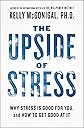
The Upside of Stress: Why Stress Is Good for You, and How to Get at It
Product ID: 255589391
⚡Practical stress-to-energy toolkit
📊Groundbreaking research-backed insights
🧠Mindset-shifting stress science
Desertcart purchases this item on your behalf and handles shipping, customs, and support to Japan.
⚡ Stress isn’t the enemy — it’s your untapped superpower!
The Upside of Stress by Kelly McGonigal, PhD, revolutionizes how professionals and students perceive stress by presenting scientifically proven benefits of stress when embraced with the right mindset. This bestselling book offers practical exercises and mindset interventions that transform stress from a health risk into a powerful tool for enhanced focus, energy, resilience, and meaningful connection. With a 4.7-star rating from over 700 readers, it’s a must-read for anyone ready to turn pressure into peak performance.

| Best Sellers Rank | #42,359 in Books ( See Top 100 in Books ) #47 in Post-Traumatic Stress #83 in Popular Applied Psychology #86 in Anxiety |
| Customer Reviews | 4.7 out of 5 stars 724 Reviews |
M**K
How to use Stress as a Tool for Fulfilling Lives
I bought the Kindle edition of this revolutionary, well researched, very readable and inspirational book the moment it was published. I soon gave up using the highlighter as there was more yellow than white on the pages! Dr McGonigal’s book tells us that the energy of stress can be turned into a positive resource – provided that you BELIEVE that it can. Kelly explains about the link between stress and meaning. The book gives very useful brief exercises for you to use to turn threats into challenges, and for working with your values. Always practical, and well explained, with personal stories and research references. Lots of help for carers. Kelly’s analysis is based on science rather than theory. The book explains how to use “mindset mindfulness” to change your attitude towards stress. An example of a mindset switch (or “intervention”) is: Reflect on, and write about, the benefits of “Bigger Than Self” goals instead of “Self-Focused” goals. To benefit from the upside of stress, you need to understand the science – which Kelly explains fully. This enables you to believe that there are benefits from stress. Then you do an exercise that usually involves being aware, thinking and some writing. Finally you share what you’ve done, and why, with others. The author explains that there are more stress responses than just, “fight-or-flight”. Such as the “Tend-and-Befriend ” response. Acts of kindness have powerful health and well-being benefits to the giver. I’m developing a community website about “Resilience with Mindfulness”. So it’s important that I integrate Kelly’s ground-breaking ideas about the positive power of using the energy of stress with my previous thoughts about stress. I used to think that there was good stress and bad stress. Good stress was stress in manageable quantities. It motivates you to revise for exams and prepare for meetings. Bad stress was when you felt overwhelmed by stress. For explaining good and bad stress, I use the metaphor of a plant or a spring. Plants need stress from wind and weather to toughen them up. Too much wind and they become damaged. Good stress is like a spring being stretched, but not too far. It springs back. Bad stress – more than you can cope with – is like stretching the spring so far that it won’t spring back. I think Kelly’s idea of using the energy of stress as a driving force to achieving your goals while under stress is a bit like letting go of the stretched spring before it breaks, and using the energy that this releases to propel yourself forwards. What do you think? This “How To” guide shares with Mindfulness the difficult idea that by starting from where you are now, rather than starting from where you’d like to be, gives you a realistic platform for moving forward. So accepting and embracing pain and stress – for now – does not mean rolling over and accepting the unacceptable for all time. Imagine you are an Army Commander. More than half of your army has been captured by the enemy. If you don’t accept that this has happened, your rescue plan might fail because it assumes you’ve still got all of your troops to help with the rescue rather than just the few troops that have not been captured. We learn that you can feel excited and energised while still experiencing anxiety. Then you don’t need to struggle against, or avoid, the source of the stress and anxiety – you get health and well-being benefits from embracing anxiety - provided that you THINK that stress is NOT bad for your health.
G**R
MeineLieblings lektüre
Sehr gut für die uni
J**N
So good
A must read
B**D
Mist read.
Brilliant book.
7**7
Another great book from this McGonigal
Love the approach of science to psychology to look at everyday stress from another angle. Has some really good tips at how to get "better" at it.
Trustpilot
1 day ago
3 weeks ago