
DOWNLOAD THE APP



Desert Online General Trading LLC
Warehouse # 7, 4th Street, Umm Ramool, Dubai, 30183, Dubai
DOWNLOAD THE APP
Desert Online General Trading LLC
Warehouse # 7, 4th Street, Umm Ramool, Dubai, 30183, Dubai

🔧 Charge Smart, Live Smart!
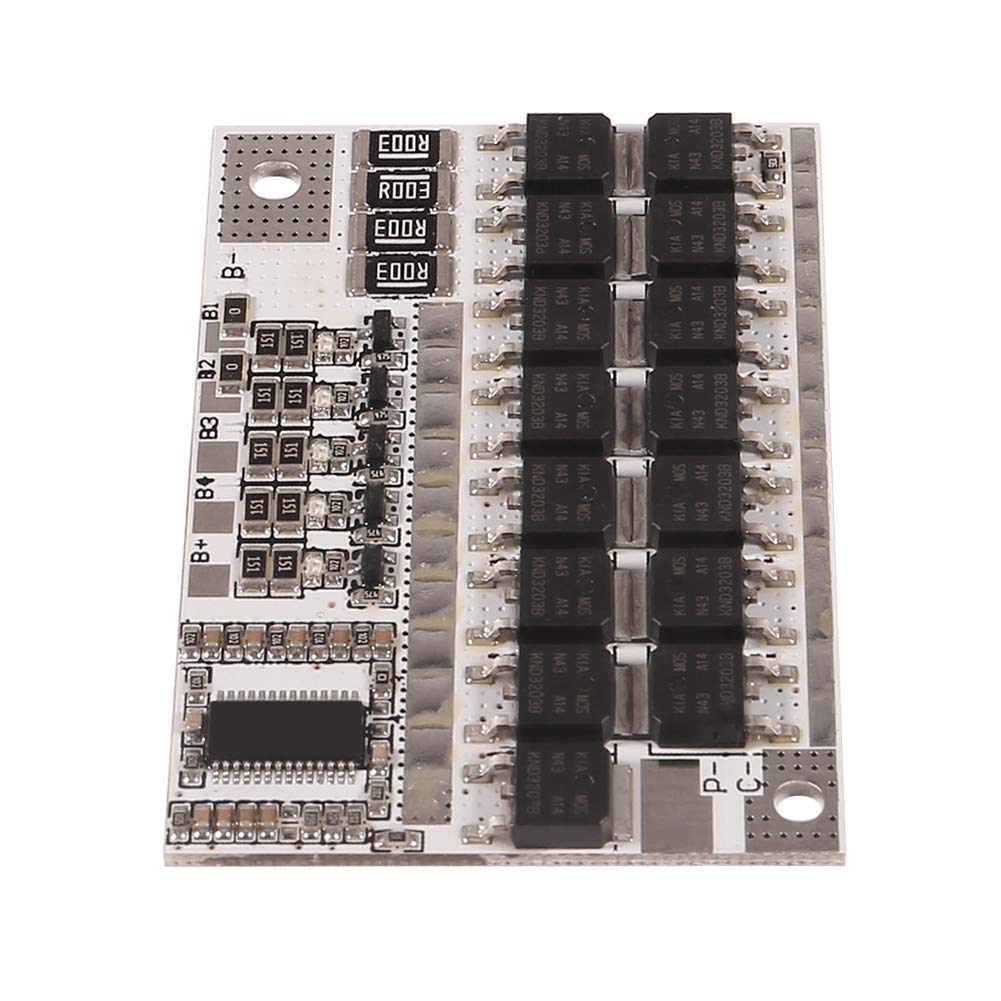
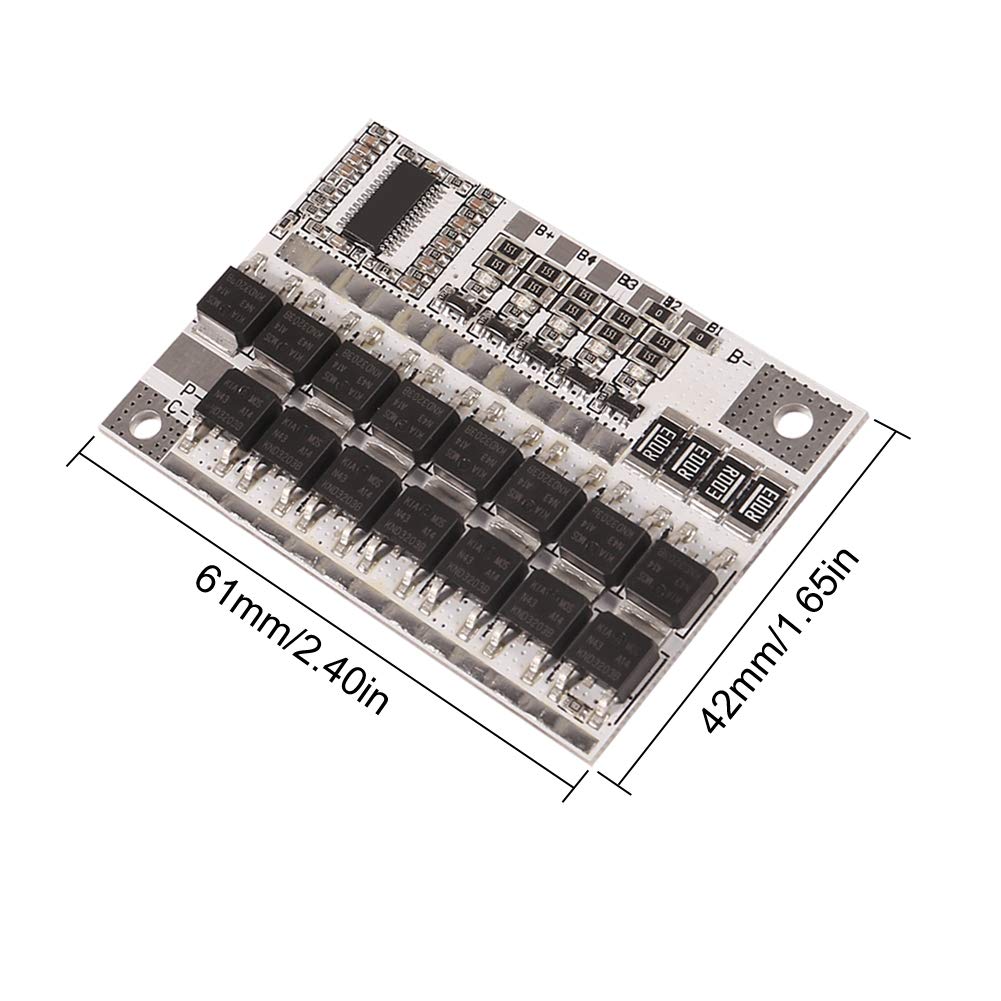
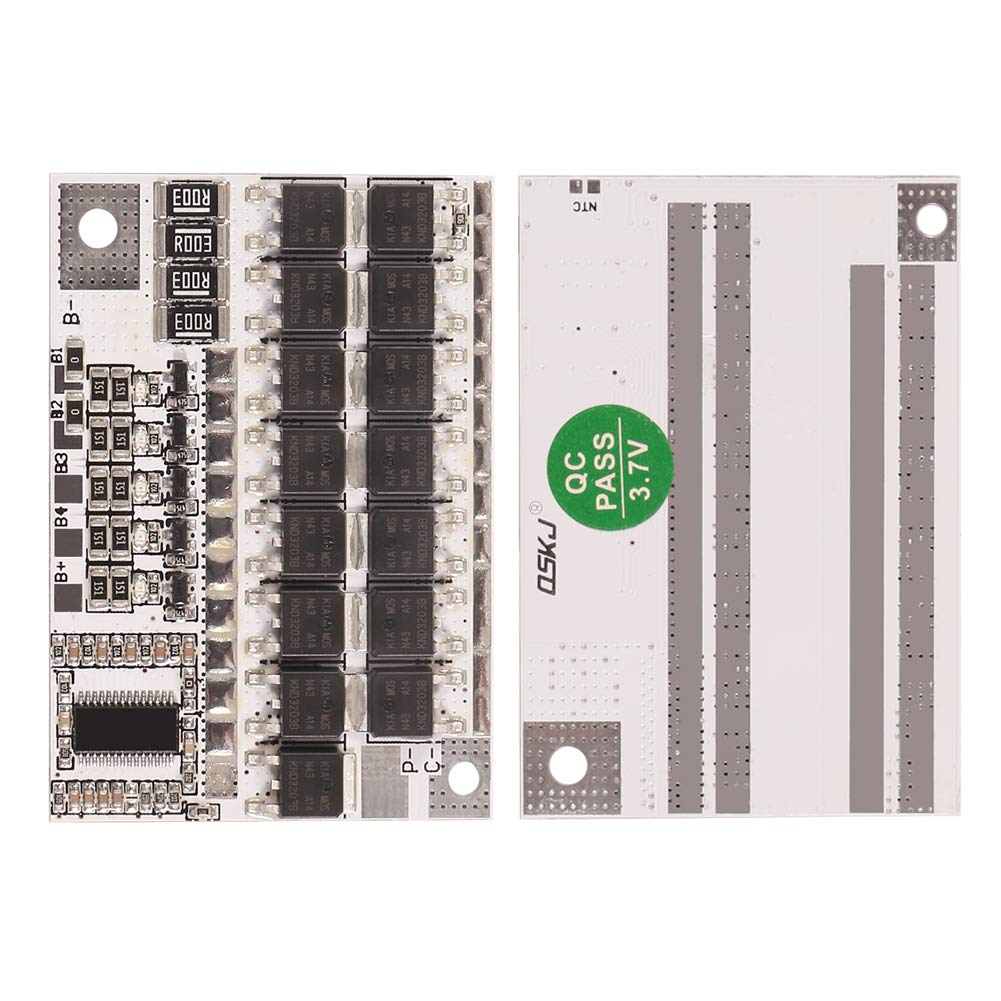
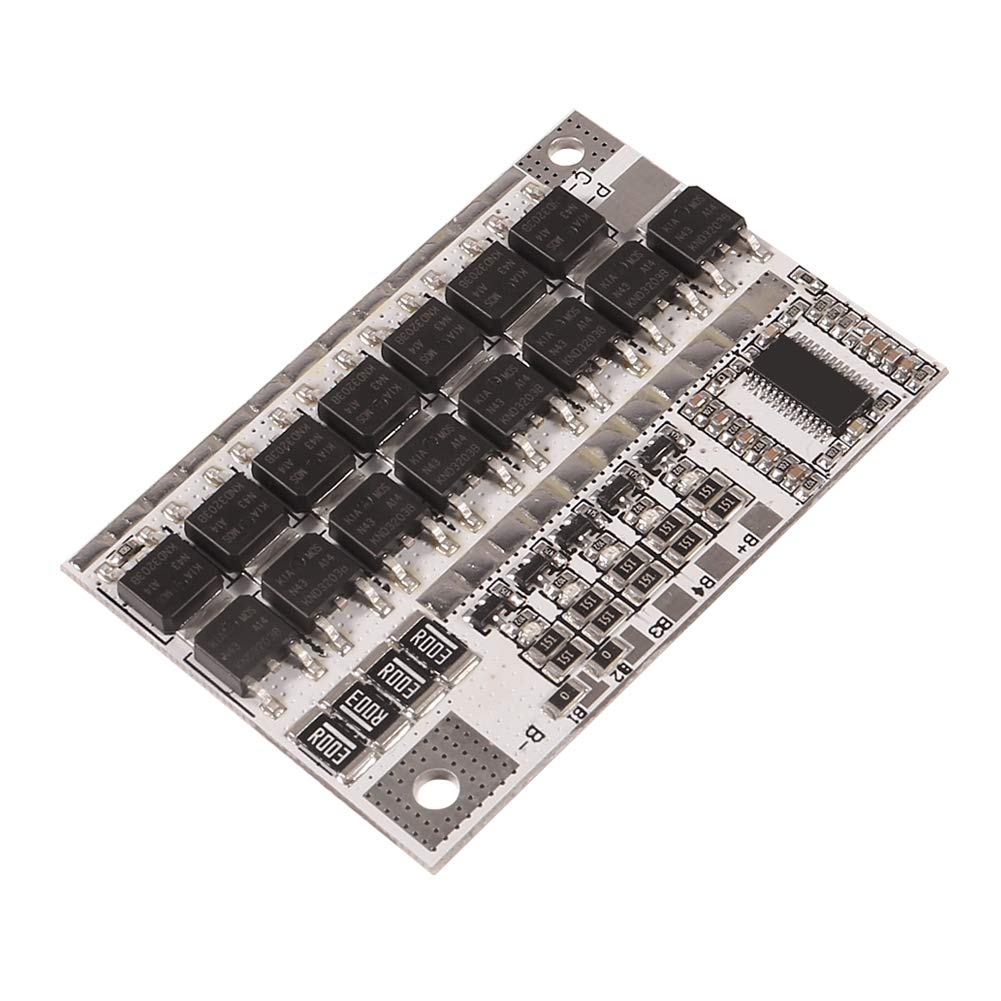
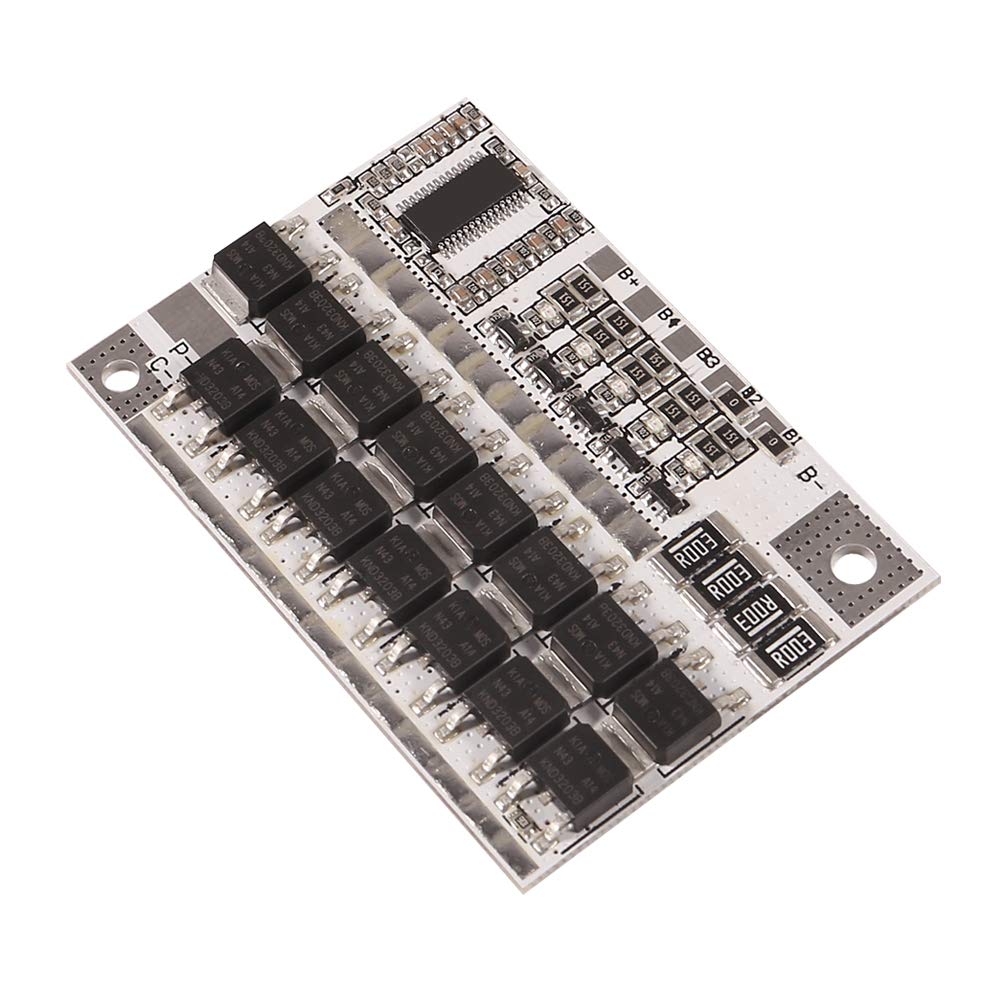
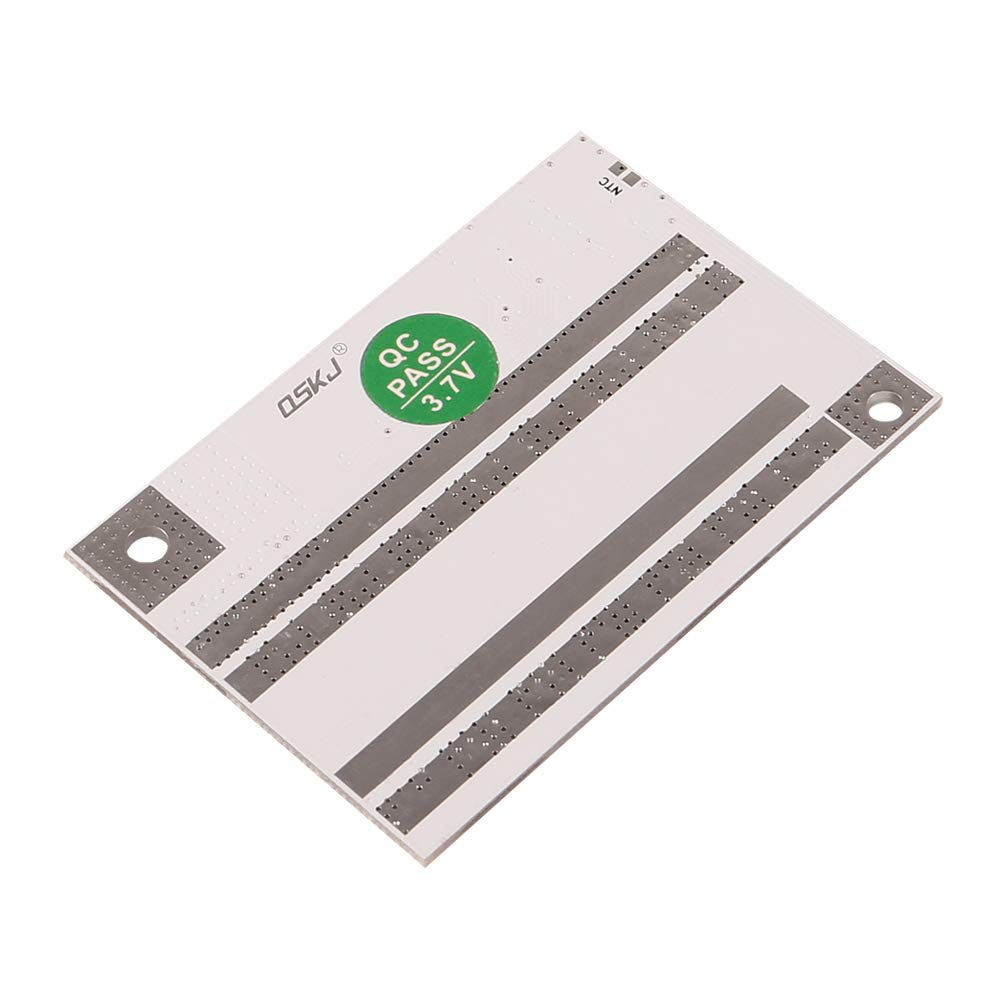
The 2pcs 3S BMS 12V 100A Li-ion LMO Ternary Lithium Battery Protection Circuit Board is a high-quality battery management system designed for optimal performance and safety. With features like 100A overcharge protection and precise voltage control, this module ensures your lithium batteries are charged efficiently and safely, making it a must-have for both DIY projects and professional applications.
N**H
Decent BMS
I did a bunch of research on the BM3451 BMS chip that is used on this board and knew I needed the TNDC/SMDC variant to work with 18650 LiPo batteries per the datasheet. Another reviewer had noted that they received the BHDC variant for 3.2v LiFePo batteries but the product descriptions says these ones work with 3.7v LiPos. For 14.99 I was willing to find out so I ordered a set of 3s boards. I was excited to see that the boards that were sent to me were the TNDC variant. After a little bit of testing on a simple 3s1p 18650 pack, I found that the over-charge, over-discharge, and balancing capabilities of this board all align with the datasheet for the BM3451 chip. Additionally, I was very happy to see that my board was not covered in any sort of clear silicone or paint like some others have mentioned in their reviews. Overall I'm very happy with this inexpensive BMS board. It works as advertised and can be modified for use with 4s or 5s packs through minor modifications to the PCB (See the BM3451 datasheet).
A**N
No Schematics
Poor construction and without an included schematic you're left searching for similar boards online on how to connect to your battery pack. It could have been a 5 star rating if it didn't fry one of the chips while under a moderate load. No where near the 100A claim. Maybe you can figure it out but as a hobbyist I managed only to waste money and remove the magic smoke from it. I may have more luck from the second board I bought, but would not buy again.
T**M
Works great so far, fits in a powertool battery
Just wish it came with some documentation/wiring diagram.Built in balancing as well.
D**W
Good unit, worked as expected on 18650s
Good unit for the price. Using it at only 15amps with a large in rush. No issues.Smaller than expected,but ok.The balance pads are small, using 22g wire.Ic PN for reference. It's for 18650s to my knowledge
J**Y
Be careful if you're buying a 5S BMS
There are two colors which are both 5S BMS boards, but the "5S 18V" color supports a different cell voltage (3.2nom) than the rest (3.7nom)! The listing needs to be more clear on such a big difference.Otherwise, it's working fine. 🤷♀️
A**O
Working great so far
The media could not be loaded. Got it installed working great so far going to use it for my ryobi lawn mower …will update in a couple weeks
F**D
Test carefully before committing to LiFe cells!
Start off saying I was hoping to construct a 12 volt, 4S2P LiFePo4 (Lithium Iron Phosphate) battery. At my disposal are a number of new A123-brand 2.3AH Dewalt batteries that I purchased to harvest the cells for purposes other than driving cordless tools. In the case of this particular project I needed a BMS that allowed internal balancing and cell over/under charge protection while in operation. This 100A BMS seemed ideal for my purpose based on the ratings. There are several models to choose from on the product page and the way to select the correct one for your particular application is to look at the cells vs the voltage in the description of each BMS. I needed a 12 volt (nominal) output unit using cells with a 3 volt nominal working (LiFePo4 chemistry) value each. Multiply times 4 and that is the 12 volt selection I need. The other BMS choices all suggest regular 3.7 volt nominal Li-Ion cells if you do the simple math. I did read all the other reviews for this BMS and it seemed that the delivery of the one intended for the lower voltage LiFePo4 cells was a roll of the dice even when the correct version was selected. Well, I rolled a losing number because my 4 cell, ‘12 volt’ BMS is actually built to use the 3.7V cells, not the 3.0V cells. Even though the label on the product bag has “4 Cell, 12V” printed on it the actual specification is “4 Cell, 15V” or 16.8V when the BMS stops the balancing and charging process. If the intended LiFePo4 cells were connected to this BMS they would be severely overcharged and destroyed with the possibility of causing a fire. I tested this with Li-Ion 3.7V cells first knowing I couldn’t overcharge them *IF* this was the correct BMS for my intended cells. And sure enough, the active balancing circuit worked to maintain 4.200V per cell with a 16.80V charging source. When putting the four cell test pack under load the BMS cut power to the load (incandescent headlight bulb) at very close to 3.000V per cell as it should *IF IT WERE DESIGNED FOR 3.7V CELLS!*You’ve been warned.*UPDATE* I’m rolling the dice yet again on this same design BMS but chose the 5 cell, 18 volt model to see if it happens to have the correct controller I.C. to give me the appropriate qualities to protect my 3V LiFePo4 cells. It’s set up to manage five cells rather than four but by adding a little jumper to the cell input connection pads this BMS can be reprogrammed to work with four and even three cell batteries. Stay tuned…
E**E
5S BMS with Balance 18v for 3.6v LiPo Batteries Only.
I love these 5S 100A boards! They can be modified to suit my purpose with the datasheet pdf on this IC that is available online. This PCB has the BM3451 - BHDC - T28A integrated IC. The BHDC chip is only for 3.6v LiPo batteries. The TNDC chip is for Li-Ion 4.2v Batteries. Anyway, I would've given 5 stars but these boards have silicone sprayed on them making it difficult to scrape off the pads to solder wires to. Also the listing should've mentioned these aren't for Li-Ion 4.2v batteries.
Trustpilot
1 month ago
1 month ago