
DOWNLOAD THE APP


Customer Support

Desert Online General Trading LLC
Warehouse # 7, 4th Street, Umm Ramool, Dubai, 30183, Dubai
DOWNLOAD THE APP
Customer Support
Desert Online General Trading LLC
Warehouse # 7, 4th Street, Umm Ramool, Dubai, 30183, Dubai


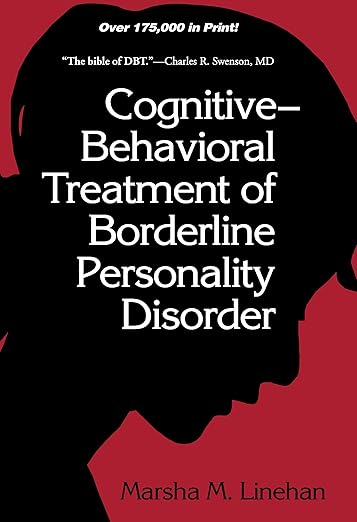

desertcart.in - Buy Cognitive-Behavioral Treatment of Borderline Personality Disorder (Diagnosis and Treatment of Mental Disorders) book online at best prices in India on desertcart.in. Read Cognitive-Behavioral Treatment of Borderline Personality Disorder (Diagnosis and Treatment of Mental Disorders) book reviews & author details and more at desertcart.in. Free delivery on qualified orders. Review: Abridged version of review (non-abridged version follows): Marsha Linehan’s book on Dialectical Behavior Therapy (DBT) is a comprehensive and rigorous resource, ideal for those seeking a deep understanding of the therapy. While some may find it overwhelming, it offers unmatched insights, particularly in working with high-risk clients and integrating mindfulness into therapy, shaped by Linehan’s Zen Buddhist background. Her unique perspective as both a former patient and pioneering therapist adds authenticity. Despite the book’s depth, Linehan acknowledges that some aspects of DBT are best learned through practical experience. DBT has gained wider acceptance since its inception and has evolved from Cognitive Behavioral Therapy (CBT), while remaining distinct. Linehan’s work incorporates insights from behaviorism, cognitive and humanistic psychology, and addresses issues like ethics and therapist-patient dynamics. Though DBT is highly effective, new findings in neuroscience, such as the Therapeutic Reconsolidation Process (TRP), challenge traditional therapies like DBT by offering faster, more permanent emotional change. However, DBT remains essential in situations where deep emotional work isn’t feasible, and it’s expected that Linehan will continue adapting her methods to stay relevant in an evolving field. For those serious about DBT, her book remains indispensable, though it may benefit from integration with newer approaches like TRP. Non-abridged version of review: For those seeking a comprehensive understanding of Dialectical Behavior Therapy (DBT), Marsha Linehan’s book is the definitive resource. It’s not light reading—it feels like preparing for professional certification, with its rigorous and systematic approach. Readers who appreciate in-depth exploration will find immense value here, while those preferring a more intuitive style may find it challenging. Linehan herself acknowledges that certain aspects of DBT are best learned through hands-on practice, noting that “as with any skill (including those you teach a patient), the craft is frequently in the timing.” Despite its complexity, the book offers unmatched depth. As the first to incorporate mindfulness into therapy, Linehan brings a unique understanding of dialectical thinking, shaped by her Zen Buddhist background. Her dual perspective as both a former patient and pioneering therapist adds authenticity to her work. A key strength of DBT is its structured, evidence-based approach, making it highly effective with high-risk clients. The emphasis on the patient-therapist relationship often takes on a “reparenting” role, fostering self-compassion. While her methods may at times seem direct—even bordering on coercive with suicidal patients—they have proven successful. Since its inception, DBT has gained broad acceptance, overcoming initial resistance (even from the publisher, who hesitated to include “Dialectical” in the title). Now, more than 30 years later, DBT is a cornerstone of Cognitive Behavioral Therapy (CBT). DBT represents a significant evolution of CBT, blending elements from First Wave and Second Wave cognitive restructuring practices, and aligning closely with Third Wave CBT, such as Acceptance and Commitment Therapy (ACT). Both approaches integrate cognitive diffusion strategies from mindfulness meditation but maintain their own distinct frameworks. Linehan weaves together insights from behaviorism, cognitive psychology, and humanistic psychology, making this book essential for both students and seasoned professionals. For anyone interested in DBT, whether new or experienced, Linehan’s work is indispensable. She tackles complex issues like professional ethics and the subtle power dynamics in therapy, while also acknowledging the limitations therapists face. One of her most valuable insights is her recognition that borderline patients are particularly sensitive to therapist inauthenticity. When practiced with precision, DBT’s high standards can lead to transformative outcomes. However, its effectiveness can be compromised if not applied carefully, particularly in settings where access to well-trained professionals is limited. While Linehan’s book remains a landmark in DBT and CBT, future adaptations may be needed as therapy evolves. Emerging neuroscience findings, such as the Therapeutic Reconsolidation Process (TRP), challenge traditional symptom-management approaches like DBT, CBT, and Rational Emotive Behavioral Therapy (REBT). TRP, discovered in the late 1990s, focuses on erasing maladaptive emotional patterns at the neural level through schema disconfirmation and nullification (depotentiation). This approach of discovery, integration, and transformation of symptom-generating implicit schemas offers deeper, lasting change, whereas conventional counteractive therapies manage, rather than resolve, emotional patterns. As neuroscience increasingly validates TRP, it’s likely to shape the future of therapy. However, DBT’s structured, skill-based approach remains crucial—especially in crisis intervention and harm prevention, where deep emotional work may not be feasible yet. DBT’s focus on building skills and utilising resources provides essential support in these situations. Given Linehan’s innovative track record, it’s likely she will continue adapting DBT to integrate new scientific developments, ensuring its relevance in an ever-changing field. For anyone serious about understanding or practicing DBT and CBT, her book remains an authoritative guide. However, it’s worth considering alongside TRP-based approaches, which are emerging in considerable numbers today; and may represent the future of therapy—perhaps something akin to a “DBT 2.0,” integrating deeper, resolution-based methods like Schwartz’s Comprehensive Resource Model (CRM) for example. Review: I am recovering from this disorder. I have been in mental hospitals and spent years in therapy. I have read Masterson, and David P. Celani's translation of Fairbairn (who corrected Freud's mistake on object relations theory so it makes practical sense and actually is helpful in understanding thought processes of trauma victims. Very enlightening). These were my favorite books on the subject until this. Most books about BPD are written by observers from an external perspective. They don't understand what's really going on inside and the help they offer isn't dead on target like Marsha Linehan's is. She is recovering from BPD herself and spent years of agony before turning it all around to become a therapist who can reach people in pain on THEIR level. She doesn't talk down and she didn't get it all out of a book. She knows. I have gotten immeasurable help following the approach in this book. I also like a complementary book, the autobiography of another recovering borderline, who was helped using the techniques created by Dr. Linehan: "The Buddha and the Borderline" by Kiera Van Gelder. As it is a story and not a psychology book, it is easier to understand.
J**E
Abridged version of review (non-abridged version follows): Marsha Linehan’s book on Dialectical Behavior Therapy (DBT) is a comprehensive and rigorous resource, ideal for those seeking a deep understanding of the therapy. While some may find it overwhelming, it offers unmatched insights, particularly in working with high-risk clients and integrating mindfulness into therapy, shaped by Linehan’s Zen Buddhist background. Her unique perspective as both a former patient and pioneering therapist adds authenticity. Despite the book’s depth, Linehan acknowledges that some aspects of DBT are best learned through practical experience. DBT has gained wider acceptance since its inception and has evolved from Cognitive Behavioral Therapy (CBT), while remaining distinct. Linehan’s work incorporates insights from behaviorism, cognitive and humanistic psychology, and addresses issues like ethics and therapist-patient dynamics. Though DBT is highly effective, new findings in neuroscience, such as the Therapeutic Reconsolidation Process (TRP), challenge traditional therapies like DBT by offering faster, more permanent emotional change. However, DBT remains essential in situations where deep emotional work isn’t feasible, and it’s expected that Linehan will continue adapting her methods to stay relevant in an evolving field. For those serious about DBT, her book remains indispensable, though it may benefit from integration with newer approaches like TRP. Non-abridged version of review: For those seeking a comprehensive understanding of Dialectical Behavior Therapy (DBT), Marsha Linehan’s book is the definitive resource. It’s not light reading—it feels like preparing for professional certification, with its rigorous and systematic approach. Readers who appreciate in-depth exploration will find immense value here, while those preferring a more intuitive style may find it challenging. Linehan herself acknowledges that certain aspects of DBT are best learned through hands-on practice, noting that “as with any skill (including those you teach a patient), the craft is frequently in the timing.” Despite its complexity, the book offers unmatched depth. As the first to incorporate mindfulness into therapy, Linehan brings a unique understanding of dialectical thinking, shaped by her Zen Buddhist background. Her dual perspective as both a former patient and pioneering therapist adds authenticity to her work. A key strength of DBT is its structured, evidence-based approach, making it highly effective with high-risk clients. The emphasis on the patient-therapist relationship often takes on a “reparenting” role, fostering self-compassion. While her methods may at times seem direct—even bordering on coercive with suicidal patients—they have proven successful. Since its inception, DBT has gained broad acceptance, overcoming initial resistance (even from the publisher, who hesitated to include “Dialectical” in the title). Now, more than 30 years later, DBT is a cornerstone of Cognitive Behavioral Therapy (CBT). DBT represents a significant evolution of CBT, blending elements from First Wave and Second Wave cognitive restructuring practices, and aligning closely with Third Wave CBT, such as Acceptance and Commitment Therapy (ACT). Both approaches integrate cognitive diffusion strategies from mindfulness meditation but maintain their own distinct frameworks. Linehan weaves together insights from behaviorism, cognitive psychology, and humanistic psychology, making this book essential for both students and seasoned professionals. For anyone interested in DBT, whether new or experienced, Linehan’s work is indispensable. She tackles complex issues like professional ethics and the subtle power dynamics in therapy, while also acknowledging the limitations therapists face. One of her most valuable insights is her recognition that borderline patients are particularly sensitive to therapist inauthenticity. When practiced with precision, DBT’s high standards can lead to transformative outcomes. However, its effectiveness can be compromised if not applied carefully, particularly in settings where access to well-trained professionals is limited. While Linehan’s book remains a landmark in DBT and CBT, future adaptations may be needed as therapy evolves. Emerging neuroscience findings, such as the Therapeutic Reconsolidation Process (TRP), challenge traditional symptom-management approaches like DBT, CBT, and Rational Emotive Behavioral Therapy (REBT). TRP, discovered in the late 1990s, focuses on erasing maladaptive emotional patterns at the neural level through schema disconfirmation and nullification (depotentiation). This approach of discovery, integration, and transformation of symptom-generating implicit schemas offers deeper, lasting change, whereas conventional counteractive therapies manage, rather than resolve, emotional patterns. As neuroscience increasingly validates TRP, it’s likely to shape the future of therapy. However, DBT’s structured, skill-based approach remains crucial—especially in crisis intervention and harm prevention, where deep emotional work may not be feasible yet. DBT’s focus on building skills and utilising resources provides essential support in these situations. Given Linehan’s innovative track record, it’s likely she will continue adapting DBT to integrate new scientific developments, ensuring its relevance in an ever-changing field. For anyone serious about understanding or practicing DBT and CBT, her book remains an authoritative guide. However, it’s worth considering alongside TRP-based approaches, which are emerging in considerable numbers today; and may represent the future of therapy—perhaps something akin to a “DBT 2.0,” integrating deeper, resolution-based methods like Schwartz’s Comprehensive Resource Model (CRM) for example.
C**E
I am recovering from this disorder. I have been in mental hospitals and spent years in therapy. I have read Masterson, and David P. Celani's translation of Fairbairn (who corrected Freud's mistake on object relations theory so it makes practical sense and actually is helpful in understanding thought processes of trauma victims. Very enlightening). These were my favorite books on the subject until this. Most books about BPD are written by observers from an external perspective. They don't understand what's really going on inside and the help they offer isn't dead on target like Marsha Linehan's is. She is recovering from BPD herself and spent years of agony before turning it all around to become a therapist who can reach people in pain on THEIR level. She doesn't talk down and she didn't get it all out of a book. She knows. I have gotten immeasurable help following the approach in this book. I also like a complementary book, the autobiography of another recovering borderline, who was helped using the techniques created by Dr. Linehan: "The Buddha and the Borderline" by Kiera Van Gelder. As it is a story and not a psychology book, it is easier to understand.
G**A
Fantastic
B**N
Parece que estoy leyendo solo artículos científicos
B**E
Great for clinicians, wanting to use dialectical behavioural therapy. This is the original manual. Very dense, lots of information. Good learning tool.
Trustpilot
2 months ago
2 days ago