Some deliveries may take a little longer than usual due to regional shipping conditions.

DOWNLOAD THE APP


Customer Services
Copyright © 2025 Desertcart Holdings Limited
DOWNLOAD THE APP
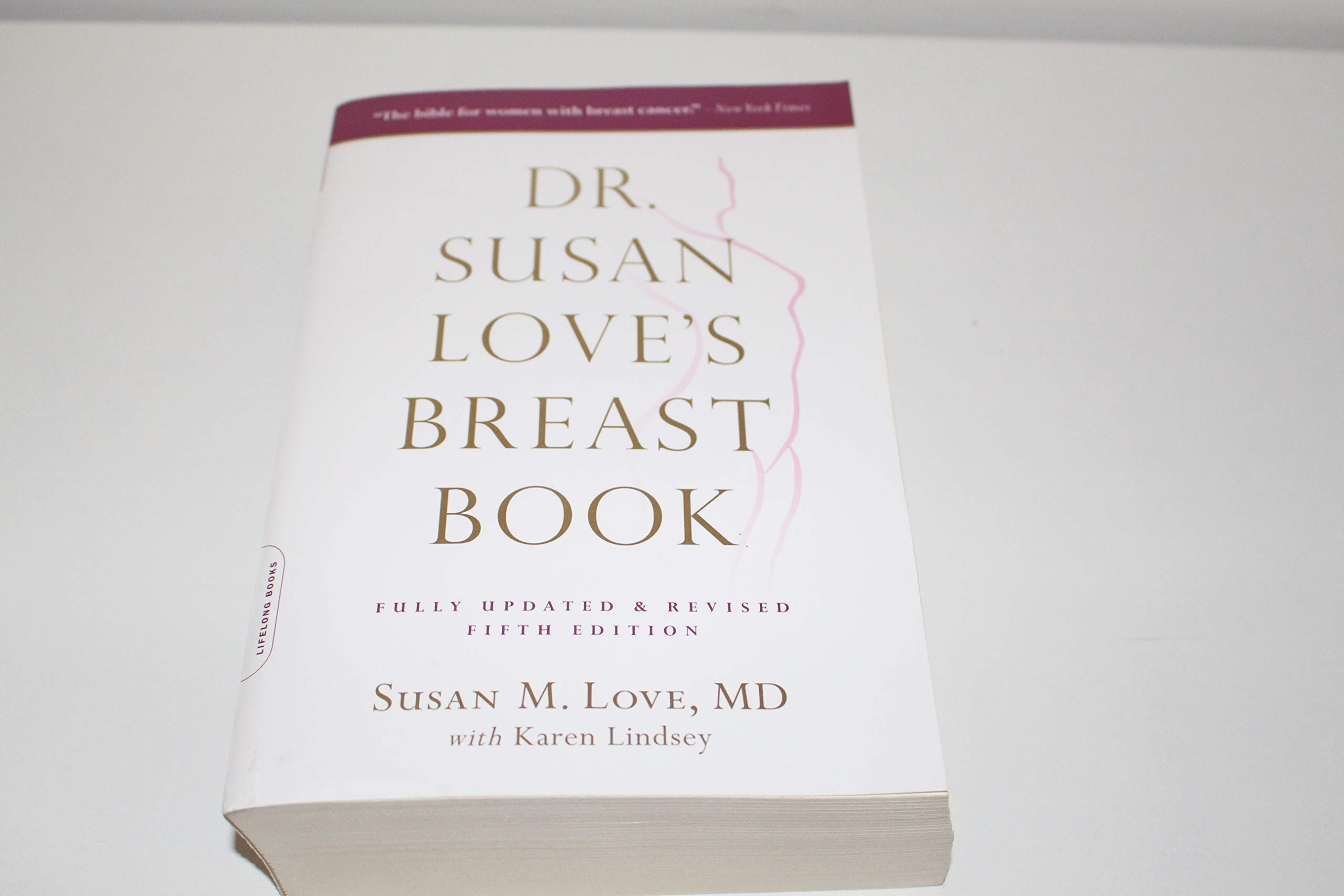
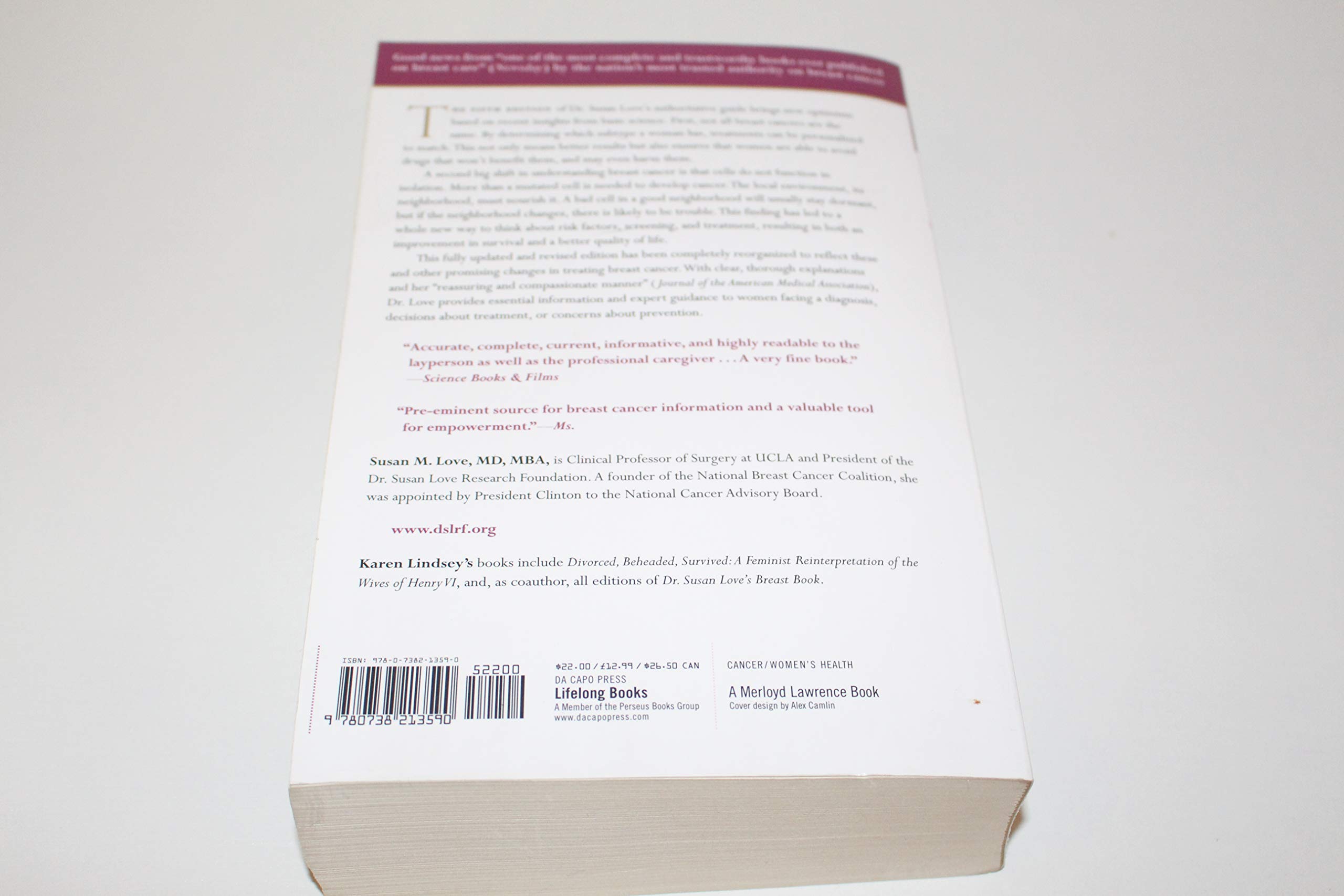
Full description not available
G**S
Some major flaws
This is probably the most comprehensive source of information on breast cancer and other breast issues that most of us will ever find, and it manages to avoid the cloying "good girl" kitch of those horrid pink websites. For those reasons, it is the best place to start educating yourself. Buy it.BUT, be aware that it has a few major faults. Dr. Love spends a great deal of time pointing out the side effects of the three major treatments: surgery, radiation and chemotherapy. Many of these side effects are not temporary or fixable, but are permanent and life threatening in themselves. This is especially valuable knowledge since most doctors and those pink websites downplay or totally ignore disabling and potentially fatal problems such as lymphedema, secondary cancers and heart failure which can result from these standard treatments. I strongly suspect that all the attention paid to hair loss (which will grown back in, for crying out loud) is there to distract potential patients from the real problems.Dr. Love also lays bare the dismal statistics on the efficacy of chemotherapy given to non-metastatic women (2-9% of women are actually helped - an eye opening figure to most of us who probably thought chemo "saved" 50 or 60 women per hundred). These are not statistics that the pink groups or your oncologist are eager to have you know.However, after spending pages and pages warning us that chemo is dangerous and not especially effective, she then just says "Oh, but go ahead and have it." Why? After imparting so much frightening information, I'm not following her thought process as to why chemo is a good deal for non-metastatic women, and I think she owes her readers a fuller explanation of why she, and the rest of the American medical community, have come to this conclusion.In addition, although she loves statistics (and so do I), she too often lapses into anecdotes that are frightening or bizarre or in other ways not very helpful. She also, at very critical times, as in discussing heart damage from radiation and chemotherapy, abandons statistics altogether and just says "seldom" or "infrequently". Well, what does that mean? 2-9% of women helped qualifies as "seldom" in my mind, yet to Dr. Love those are great statistics to gamble on and accept chemo.Lastly, remember that Dr. Love is still a doctor, she is not your best gal pal, and as such, has a very different way of assessing the treatment plans. One of the most chilling anecdotes in the book is when she refers to a (non-metastatic) patient of hers who underwent chemo (2-9% efficacy rate) and ended up needing a heart transplant thanks to Adriamycin. Dr. Love just shrugs it off with, well at least she was alive to need the heart transplant, with no concern for the quality of life this woman was left with.In sum, there is much good information here, but you will need to search for some specific answers elsewhere. And the knowledge she does give you may make it harder, not easier, to make decisions. But knowledge is always harder than trusting ignorance.
B**M
One of the two best books available
This is an excellent book, and well worth reading. But it's probably the second book to read, behind "The Breast Cancer Survival Manual : A Step-By-Step Guide for the Woman With Newly Diagnosed Cancer" by John Link.My wife was diagnosed with breast cancer on January 5th of this year. Fortunately, she found it herself, through self-checking, and we live in an area where two of the world's best breast cancer treatment groups are located - the Breast Care Center in Orange, CA and the Memorial Care group in Long Beach. As of yesterday, we were fortunate to discover that, eleven months later, through a combination of surgeries and chemotherapy, the scans that were done last week on the liver, lungs and bones all came back negative, so we hope to have many more years together.Dr. John Link is the friend of a friend and we consulted with him on treatment. As part of the consultation, he also gave us a copy of his book, which is very readable and understandable. It's particularly good at giving guidance on how to put together a treament program that's right for you as an individual.The Susan Love book is excellent, particularly as a reference for all the information you want to know when your life or the life of someone you love is at risk. The difference between the two is that the Link book provides a great overview and a guide for getting treatment, and the Love book is the reference for all the stuff that you want to look up when you have a question. And if you're like us, you'll have lots of questions because this is all very complex and it's very difficult to decide on what the best approach will be for your individual situation.
B**R
Excellent resource for diagnosis, treatment, and prevention
I am a physicist (not a physician) and know little about the field of medicine. When my wife was diagnosed with breast cancer at a young age, I wanted to understand all about the disease both for aiding in her treatment decisions and for educating my 4 year old daughter, who is now at risk.This book includes the standard "How the breast works", "Diagnosing cancer", "Treatment of cancer" chapters to guide people through the shock and emotional decision making required before surgery and help make decisions regarding chemo and radiation therapies. These are invaluable resources for anyone who wants more understanding than what is provided through a chat with their surgeon or oncologist or the thin pamphlets received at the hospital.The real value of this book, however, that sets it apart for all others, are the deep and rich chapters about other aspects of the breast and cancer. In particular, this book has a chapter on breast augmentation, which was recommended to us after a mastectomy; a chapter on how cancer occurs on a genetic DNA level; a chapter on cancer prevention for my daughter; and a chapter on clinical trials - what they are, which might you choose, and how should you evaluate them.In short, this book has been valuable resource in making short term treatment decisions and looks to be a valuable resource in future years. I eagerly await the 4th edition, though I don't know when or if it is coming.
S**N
Very informative
I bought this book for a friend diagnosed with Breast cancer.
M**T
I absolutely love it and recommend it if you're interested in the ...
I've been reading this book -each new addition- for the 20 years I've been living with breast cancer. It never fails - little wobbles and new diagnoses, it always allows me space to read up, take a deep breath and stop panicking.This book doesn't treat cancer but it really supports the person with cancer. I absolutely love it and recommend it if you're interested in the biology and understanding how cancer works.
K**R
... a really comprehensive book on the subject and really useful for general information
This is a really comprehensive book on the subject and really useful for general information. If you have more specific concerns it is really informative and supportive.
T**
Fantastic!!!
The most informative and detailed book anyone who has been diagnosed with breast cancer could read! It really is the "bible of breast cancer". Dr Susan covers everything good and bad, she does not mince words or flower it up. Fabulous!
L**N
The updates are so useful with the latest changes
This book is extremely valuable to those with breast cancer as well as for the friends and families who want to support as well as understand more about the disease.The updates are so useful with the latest changes.
K**A
Comprehensive sensitive guide to dealing with breast cancer
If you are looking for Information about breast cancer, this is a very good first source to go to.Dr. Susan Love is an experienced breast surgeon and at the top of current Research. Her book is easy to read and gives you all the Information you need, if you or a loved one suffer of breast cancer.
Trustpilot
1 month ago
2 months ago