Buy anything from 5,000+ international stores. One checkout price. No surprise fees. Join 2M+ shoppers on Desertcart.
Desertcart purchases this item on your behalf and handles shipping, customs, and support to Japan.
๐ Buzz into Beekeeping Bliss!
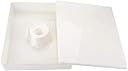
The APIS Rapid Bee Feeder is a top-of-the-line feeding solution for beekeepers, designed to fit perfectly in a medium 10-frame super. With a generous 1-gallon capacity and a clear cap to prevent drowning, this durable plastic feeder ensures your bees have easy access to syrup while keeping them safe and healthy.
| ASIN | B07LC61Z1N |
| Brand Name | APIS |
| Capacity | 1 Gallons |
| Color | White |
| Customer Reviews | 3.9 3.9 out of 5 stars (104) |
| Included Components | Cover |
| Item Dimensions L x W x H | 15.5"L x 13"W x 3"H |
| Item Weight | 0.98 Kilograms |
| Mounting Type | Hive Top Mount |
| Target Species | Bee |
| UPC | 658240138108 |
A**F
Nicely made, easy to refill without disturbing bees
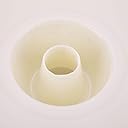
This is a top hive feeder that can be refilled without removing from the top of the hive. Hence you don't disturb the bees when checking or refilling. Like some other reviewers, I was a little concerned that the bees would not have enough traction on the plastic cone of the feeder, even thought it does have ridges on both sides of the area where the bees access the feed. I had some 1/2" mesh hardware cloth on hand, so cut a small piece and formed a cone to fit over the plastic cone of the feeder. It gives the girls a ladder to climb on, so they avoid getting stuck in the feed. So far, no bees have succumbed to the "sugar tar pit" syndrome! I am not 100% certain that this is necessary, but I had the hardware cloth on hand and thought it would not hurt. Of the various top hive feeders I have tried, this one works the best. Based on the number of bees crowding into the feeding zone, this is "The Place To Be" in the hive! I will note that the hive should be level, otherwise, as the feed gets low, it will pool to the lowest side of the hive and the bees are unable to totally empty the feeder. Not a fault of the feeder. Just level the hive and problem solved.
A**R
Modified, now good to go
I'd been feeding with mason jars previous to finding these feeders. There are a few pros and cons to the APIS feeder. Pros: -Practically no disturbance to the bees once installed. If your bees are like mine and pretty "active", the initial placement of the feeder on top of the inner cover can be a little wiley if you make efforts not to smush any bees. I was definitely mushing more with jar feeders while removing/replacing, which is important to note! -Easy to remove and clean. HOWEVER, like one reviewer mentioned, try to time your cleanings/inspections to be when the feeders are empty, because picking one up that's even partially full to remove is quite the juggling act. I did have a sugar flood (thankfully outside of the hive), once. Bees and ants in the area had a feast. -No real risk of leaking. -Holds a little over a gallon, making it way easier to "fill and forget" than the jars I was using. I also use a frame feeder, but only fill that when I inspect so I don't have to rile them up so frequently. -Low profile: you can use a shallow or medium box, no problem. Cons: -Like another reviewer mentioned, the bees were getting trapped in the small area between the ramp and the clear cover. I think this is because sugar water is real viscous and the texture on the plastic is not raised enough so they can get their bee feet onto it. I modified it a bit...hang on with me here...and literally BE(E)DAZZLED the inside of the clear cover and the ramp. Call me ridiculous, but the little gems I had laying around (I superglued them on), created a "climbing wall" for the ladies to clamber up and out. No problems since then. See the picture ;) -ANTS. BE SURE TO CLOSE ALL GAPS / UPPER ENTRANCES BEFORE USING THIS FEEDER. Since the bees can't get into the main area where the feeder is, I ended up with a pretty serious ant situation both IN the feeder and around it. The lid to the feeder does NOT snap shut, it simply sits on top. The teeny black ants had no problem getting in. To prevent this, I sealed the outer seam between the inner cover and upper box (the one that held the feeder) with duct tape. I even put a couple strips of duct tape to hold down the lid of the feeder. Problem solved, but I do wish the lid snapped on, or at least sealed better. -Works best if your hives are level. Might seem obvious but since the footprint of this feeder is pretty wide, the bees won't be able to get to a good amount of sugar water if it's not level. Both my hives are tilted forward slightly (on purpose to prevent condensation issues on the bees) so this is a minor annoyance. Overall--way easier than jar feeders. Be(e)dazzling it made all the difference to prevent drown bees. Make sure ants can't get in to whatever super you're using, and you'll be good to go! Definitely worth the 20ish bucks.
S**S
Caution: Slippery when wet
First week of bee keeping: This is great! I don't even have to open the hive up to get a peek inside. The bees are drinking down lots of sugar syrup. Second week of bee keeping: Why are there so many drowned bees? What did I do wrong? Bees won't take from the feeder because its all clogged with dozens of dead bees. It took me two rounds of cleaning out dead bees, and a lot of wasted syrup, before I figured it out. The ramp down into the syrup has a flaw. The grooving works great at first, but over time, it gets coated with syrup. In a high humidity environment (humid air + warmer hive body expelling heat upwards) the humidity would collect on the cover, then drip down right on the ramp, turning it into a slip and slide. I watched a bee slip into the syrup and get stuck there, unable to get purchase on either the bee guard or the ramp because they were both slicked. My current fix is a 6" x 6" sheet of 1/8 hardware cloth with the center cut into strips, forming a spiral ladder around the ramp. This gives them plenty of individual rungs to hold on to, or extract themselves from sugar if need be. The downside is that if I let the syrup level get too low, they find ways under the bee guard into the basin. By that point there's no fear of drowning, just bees getting stuck on the wrong side of the bee guard. When I take this off for winter, I may try dripping wax on the ramp into a ladder pattern to see if that improves the access without putting metal into their feed. There are other gotchas with this feeder. First is the bees like to hide in the hollow space under the ramp. I don't know if they're trying to build wax there, unsuccessfully, or just exploring. Any time I take the feeder off, I have to be careful not to trap a few there. On the flip side, it minimizes the likelihood of bees getting squished when the feeder goes back on the inner cover, so its a fair trade off. Another is that the bees need a way to get from the top frame up into the feeder. In theory that's from the inner cover, but in practice that doesn't work great. They built up the ladder comb to get from the top frame up to the inner cover, but for the first two weeks, they were forming a ladder of bees to make it into the feeder (see slippery above). Since the ladder comb gets damaged each time I lift off the inner cover, and its a really small transfer area between the points where the round feeder hole meets the inner cover oblong hole, I used some more hardware cloth to make a ladder that I hook over the top of the ramp. That drops 1/4" into the hive body itself between frames, so the bees just waxed over the bottom end and now they have a highway into the feeder instead of a hard to navigate path. The last gotcha is timing hive inspections to coincide with low feeder levels. Lifting off a feeder half full of syrup gets the bees in the feeder riled up because of the waves, potentially drowning a few. Its a lot easier to lift off a near empty feeder. It also allows the feeder to be tipped sideways so bees can escape from it while i'm doing hive maintenance. The problem is I don't know if they're going to consume a cup of sugar a day or 6 cups. It all depends on hive activity and where they are in the brood cycle. With all the above said, I'm still going to order another of these when I start the second hive. Top feeder beats frame feeder any day. I can open up the cover and inspect the syrup level without disturbing the hive, even if its raining. Same goes for when its time to refill the feeder. It gives me a clear view into the middle frames (brood) without disturbing the bees. About the only thing that could make this setup better was if I could figure out a way to give them pollen patty at the same time without lifting off the feeder. Update 2 years in: I still love this feeder. I have three. After a while the ladder wire wasn't necessary because the bees built burr comb at the base where the ladder was. One trick I learned this year: If you have small bits of wax from scraping off burr comb or wax cappings, add them to the feeder, mixed in with the syrup in small amounts. As a general rule, the wax you take out of the hive the bees won't be reused, but they can use small chewable bits of it, and it seems to encourage them to build more. At first I did this to 'flavor' the syrup with some comb that had honey that I broke in the spring. This got them started building comb over the slippery plastic, replacing the need for the metal mesh. Last week, I had them cleaning up wax cappings in the feeder without the lid or cap on, and they built a complete comb over the plastic. I'm going to try this again with the other 2 feeders. Note: This will make a mess. Don't be fooled. I had to thoroughly scrape out the basin when I cleaned it to remove the wax they didn't use.
T**O
Horrific!
The opening for the bees to come up and go down to the water to drink, is very slippery and smooth. I lost a lot of bees as they were trying to feed. This feeder does not work. It broke my heart
Trustpilot
3 weeks ago
2 weeks ago